

Common Gallbladder Problems
- Gallstones
Hardened deposits that form within the gallbladder. Many gallstones cause no symptoms, but temporary blockage of bile flow can produce episodes of abdominal pain, known as biliary colic.
- Biliary Dyskinesia (Functional Gallbladder Disorder)
Abnormal gallbladder function that may cause recurring symptoms similar to gallstones, even when no stones are present. Evaluation may include a HIDA scan to assess gallbladder emptying, with surgical treatment considered in appropriately selected patients.
- Cholecystitis
Inflammation of the gallbladder, most commonly caused by a gallstone obstructing its drainage. Symptoms may include persistent abdominal pain, nausea, and fever.
- Bile Duct Stones (Choledocholithiasis)
Gallstones that enter the common bile duct and may obstruct bile drainage, leading to pain, jaundice, or infection.
- Gallstone Pancreatitis
Inflammation of the pancreas caused by gallstones obstructing drainage near the pancreatic duct. This can be a serious condition requiring hospital evaluation.
Symptoms and Causes
Gallbladder disease commonly causes episodes of pain in the upper right or middle abdomen, sometimes radiating to the back or right shoulder. Symptoms may occur after meals and can be accompanied by nausea or vomiting. Some patients also report bloating or indigestion, although these symptoms are not specific to gallbladder disease.
Gallstones develop when the composition of bile changes or the gallbladder does not empty effectively. Risk factors include female sex, increasing age, obesity, rapid weight loss, family history, and certain medical conditions.
New or worsening symptoms warrant medical evaluation. Persistent or severe abdominal pain, particularly when accompanied by fever, chills, jaundice, or repeated vomiting, may indicate a more serious complication and should prompt immediate evaluation.
How Gallbladder Disease Is Diagnosed
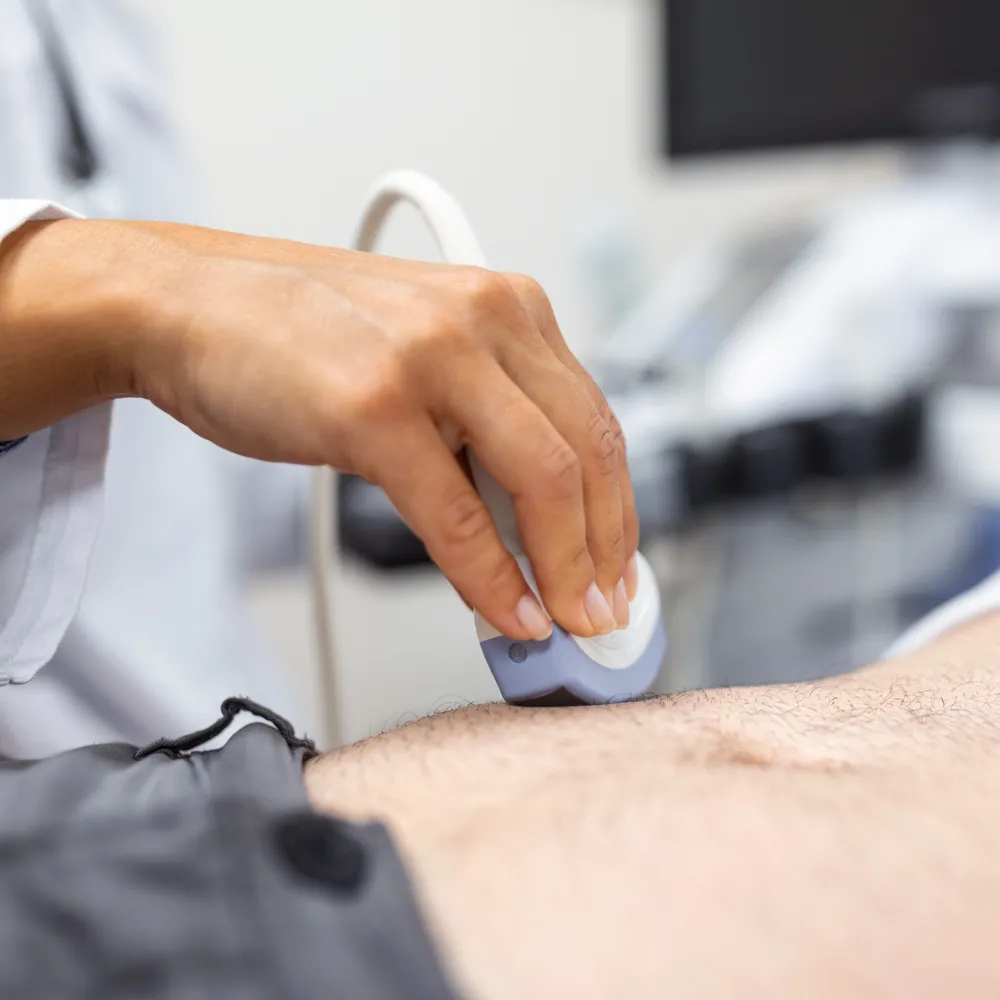
- Ultrasound
Often the first imaging test used to identify gallstones, gallbladder inflammation, and other biliary abnormalities.
- Blood Tests
Evaluate for signs of infection, inflammation, bile duct obstruction, liver abnormalities, or pancreatitis.
- HIDA Scan
A specialized imaging study that evaluates gallbladder function and bile flow. It may help diagnose gallbladder inflammation or abnormal gallbladder emptying.
- CT, MRI & MRCP
Additional imaging may be recommended for complex cases or suspected complications. Magnetic resonance cholangiopancreatography (MRCP) can help identify gallstones within the bile ducts.
Treatment Options
Treatment of gallbladder disease depends on the underlying diagnosis, severity of symptoms, and overall health. Gallstones that cause no symptoms frequently do not require surgery. For patients experiencing recurrent biliary pain, gallbladder inflammation, or certain complications, surgical removal of the gallbladder (cholecystectomy) may be recommended.
Laparoscopic Gallbladder Removal
Laparoscopic cholecystectomy is performed through several small incisions using a camera and specialized instruments. This minimally invasive approach is commonly performed on an outpatient basis and typically allows patients to return home the same day. In certain situations, an open procedure may be necessary.
Gallbladder Surgery for Functional Disorders
Some patients experience typical gallbladder symptoms despite having no visible gallstones. When appropriate diagnostic evaluation suggests a functional gallbladder disorder, surgical removal may be considered after discussing potential benefits, limitations, and alternative explanations for the symptoms.
Should My Gallbladder Removal Be Robotic or Laparoscopic?
Both laparoscopic and robotic-assisted gallbladder removal are minimally invasive surgical techniques. Although robotic surgery is sometimes perceived as a more advanced option, it has not consistently demonstrated better outcomes than traditional laparoscopic surgery for routine gallbladder removal.
- Laparoscopic Gallbladder Surgery
Conventional laparoscopic cholecystectomy uses a camera and specialized surgical instruments inserted through several small incisions, commonly including 5 mm ports. This well-established approach allows experienced surgeons to remove the gallbladder safely and effectively, with most patients returning home the same day.
- Robotic-Assisted Gallbladder Surgery
Robotic-assisted cholecystectomy uses a surgeon-controlled robotic platform with articulated instruments and three-dimensional visualization. Although the technology offers certain technical advantages, it generally requires larger instrument ports, commonly 8 mm, and may involve additional setup time and cost. For routine gallbladder removal, robotic surgery has not consistently been shown to provide better recovery or overall outcomes than conventional laparoscopy.
- Choosing the Right Surgical Approach
Dr. Stephenson has advanced fellowship training in minimally invasive surgery and typically performs gallbladder removal using conventional laparoscopic techniques. Her experience allows her to perform these procedures without routinely requiring robotic assistance.
The most appropriate surgical approach depends on the patient's anatomy, medical history, and specific condition. Dr. Stephenson discusses the available options and recommends an approach based on individual patient needs rather than the technology alone.
Life After Gallbladder Removal
Most patients can live a normal, active life without a gallbladder. Bile continues to flow from the liver into the intestine, although it is no longer stored in the gallbladder. Some patients experience temporary or persistent changes in digestion following surgery.
Why Patients Choose Northwest Surgery for Gallbladder Care
- Advanced Minimally Invasive Surgical Training
Dr. Stephenson is a board-certified general surgeon with advanced fellowship training in minimally invasive surgery and advanced endoscopy.
- More Time Directly With Your Surgeon
At Northwest Surgery, appointments are structured to prioritize time directly with Dr. Stephenson, rather than spending much of the visit with other clinical staff. This allows more opportunity for a thorough evaluation, meaningful discussion, and answers to your questions. Appointment lengths are tailored to individual patient needs, so you receive the attention you need without unnecessary delays.
- Direct Access to Our Office
Call or securely text (406) 414-6473 to communicate directly with our local office team before and after surgery.

Meet Jacqueline Stephenson, DO, FACS
Jacqueline Stephenson, DO, FACS, is a board-certified general surgeon with advanced fellowship training in minimally invasive surgery and advanced endoscopy. She provides comprehensive evaluation and surgical treatment of gallbladder disease in Bozeman and surrounding Montana communities, including laparoscopic cholecystectomy and management of symptomatic gallbladder disorders.
Find Relief From Gallbladder Pain
If you have repeated upper abdominal pain after meals or have been told you have gallstones, Northwest Surgery can help you understand your options. Schedule a consultation with Dr. Stephenson in Bozeman.
Frequently Asked Questions
Episodes of upper right or upper middle abdominal pain after meals, sometimes with nausea, that may spread to the back or right shoulder.
Gallstones usually do not dissolve on their own. Surgery is the most reliable treatment for symptomatic gallstones.
Not always. Many people with gallstones and no symptoms can be monitored. Your surgeon will discuss whether treatment makes sense for you.
Yes. Some gallbladder disorders can cause symptoms even when no gallstones are visible on ultrasound. Conditions such as biliary dyskinesia involve abnormal gallbladder function and may require additional testing, including a HIDA scan. Dr. Stephenson evaluates your symptoms and test results to determine whether gallbladder treatment may be appropriate.
Many patients return to light activity within days after laparoscopic surgery. Your surgeon will give you guidance on lifting, work, and exercise based on your procedure.