
Common Types of Skin Cancer
- Basal Cell Carcinoma.
The most common form of skin cancer, frequently appearing as a pearly bump, persistent sore, or slowly growing lesion. Surgical removal is often effective, with treatment selected according to the lesion's size, location, and other characteristics.
- Squamous Cell Carcinoma.
A common skin cancer that may appear as a scaly, crusted, or growing lesion. Surgical treatment typically involves excision, with additional evaluation or treatment for higher-risk cases.
- Melanoma.
A potentially aggressive form of skin cancer that may develop within an existing mole or appear as a new lesion. Treatment requires careful evaluation of biopsy findings and may include wider surgical excision, lymph node assessment, and coordination with other cancer specialists.
Signs and Symptoms of Skin Cancer
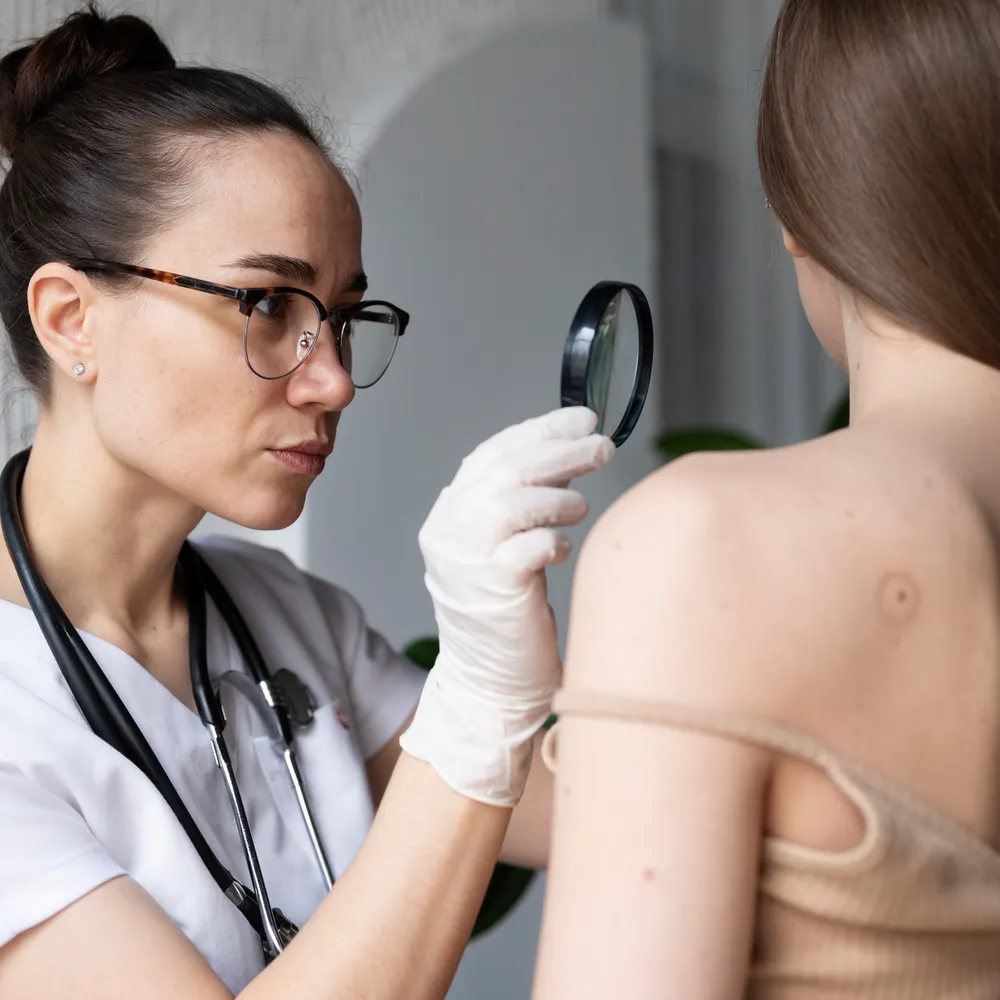
Skin cancers can develop in several ways, including a new or changing mole, a persistent sore, or a lesion that bleeds, crusts, or fails to heal.
Warning signs may include asymmetry, irregular borders, variations in color, increasing diameter, or changes in a lesion's appearance over time. These are commonly described as the ABCDE signs of melanoma.
Not all skin cancers follow these patterns. Any new, changing, or concerning lesion may warrant evaluation, even if it does not have the typical warning signs.
Diagnosis and Surgical Treatment of Skin Cancer
Evaluation begins with a review of the patient's medical history, the lesion's appearance and location, and any previous biopsy or treatment results. When appropriate, a biopsy is performed to establish the diagnosis and guide treatment planning.
- Skin Cancer Excision.
Surgical excision involves removing the cancer with an appropriate margin of surrounding tissue. The extent of surgery depends on cancer type, size, location, and pathology findings. Many lesions can be treated through an outpatient procedure, while larger or more complex cancers may require additional surgical planning.
- Complex Excision and Reconstruction.
Removal of larger skin cancers or lesions in anatomically sensitive areas may require more advanced wound closure or reconstructive techniques. Dr. Stephenson considers both complete removal of the lesion and preservation of surrounding tissue and function when planning treatment.
- Melanoma Surgery.
Melanoma may require wider surgical excision following the initial diagnostic biopsy. Depending on tumor characteristics, treatment planning may include lymph node evaluation and coordination with additional specialists. Dr. Stephenson develops individualized surgical recommendations based on the diagnosis, pathology, and overall treatment needs.
Traditional Skin Cancer Excision vs. Mohs Surgery
Surgical excision is an effective, well-established treatment for many basal cell and squamous cell carcinomas. It involves removing the cancer with an appropriate margin of surrounding tissue, which is then examined by a pathologist.
Mohs micrographic surgery is a technique that examines tissue margins during the procedure, allowing the surgeon to remove additional cancer while preserving very close margins.
Although Mohs surgery has important advantages in certain circumstances, it is not necessary for most skin cancers, which can be effectively treated with traditional surgical excision.
At Northwest Surgery, Dr. Stephenson determines the appropriate surgical approach based on the cancer type, pathology, size, location, and individual patient needs.
Collaborative Care With Dermatology
Dr. Stephenson works closely with dermatology colleagues when specialized evaluation or treatment is indicated. For patients who may benefit from Mohs surgery or other dermatologic treatments, care can be coordinated directly with the appropriate specialist.
This collaborative approach helps ensure that patients receive effective, individualized treatment while avoiding unnecessarily complex procedures when standard surgical excision is appropriate.
Why Patients Choose Northwest Surgery for Skin Cancer Care
- Experienced Surgical Care.
Dr. Stephenson provides surgical evaluation and treatment of skin cancers, including lesions that require more extensive excision or complex wound closure.
- Individualized Treatment Planning.
Surgical recommendations are based on the type, size, and location of the cancer, pathology findings, and each patient's specific needs.
- More Time Directly With Your Surgeon.
At Northwest Surgery, appointments are structured to prioritize time directly with Dr. Stephenson, rather than spending much of the visit with other clinical staff. This allows more opportunity for a thorough evaluation, meaningful discussion, and answers to your questions. Appointment lengths are tailored to individual patient needs, so you receive the attention you need without unnecessary delays.
- Direct Access to Our Office.
Call or securely text (406) 414-6473 to communicate directly with our local office team about appointments, biopsy results, or surgical treatment.
Meet Jacqueline Stephenson, DO, FACS
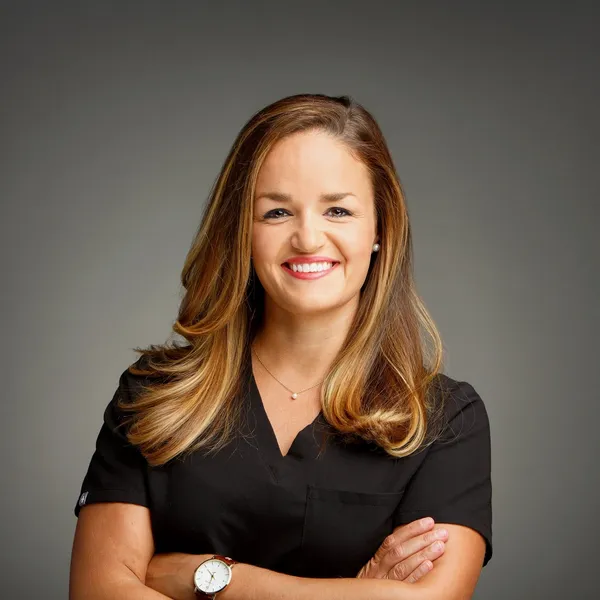
Jacqueline Stephenson, DO, FACS, is a board-certified general surgeon providing surgical evaluation and treatment of skin cancers and suspicious skin lesions. Her practice includes surgical excision, treatment of selected complex lesions, and individualized surgical planning for patients in Bozeman and surrounding Montana communities.
Get a Suspicious Spot Checked
If you have a mole or spot that has changed, or a sore that will not heal, Northwest Surgery can help you understand what it is. Schedule a consultation with Dr. Stephenson in Bozeman.
Frequently Asked Questions
A new or changing lesion, irregular borders, uneven color, growth, itching, bleeding, or a sore that does not heal can be warning signs. A concerning lesion should be evaluated even if it does not have all the classic signs.
A biopsy of the suspicious area is often needed to confirm the diagnosis. Dr. Stephenson reviews the examination findings and any existing pathology to determine the appropriate next steps.
Many skin cancers can be surgically removed through an office-based procedure using local anesthesia. Larger or more complex lesions may require a different surgical setting. Treatment depends on the diagnosis, location, size, and individual patient factors.
Not necessarily. Many basal cell, squamous cell carcinomas and melanomas are be effectively treated with traditional surgical excision. Mohs surgery is especially useful when "close" margins are mandatory, including lesions near the eyelids and nose, as well as certain recurrent or high-risk cancers. Dr. Stephenson evaluates the diagnosis and examination findings to determine the most appropriate treatment and coordinates with dermatology specialists when Mohs surgery is indicated.
Not always. Many skin cancer excisions can be closed directly with sutures. Larger defects or lesions in certain locations may require more advanced closure or reconstruction. Surgical planning considers both cancer removal and the functional and cosmetic outcome.
Referral requirements depend on your insurance plan and individual circumstances. Our office can help determine whether a referral is needed before scheduling your appointment.