
Thyroid Conditions We Evaluate
- Thyroid Nodules.
Thyroid nodules are common and most are benign. Evaluation may include ultrasound, thyroid function testing, and fine-needle aspiration biopsy when indicated. Surgery may be recommended for suspicious, symptomatic, enlarging, or certain indeterminate nodules.
- Goiter and Enlarged Thyroid.
Enlargement of the thyroid gland may cause visible neck swelling, pressure, discomfort, or difficulty swallowing. Surgical treatment may be appropriate when symptoms are significant or concerning nodules are present.
- Hyperthyroidism.
An overactive thyroid can cause palpitations, weight loss, tremors, and other symptoms. Treatment may include medication, radioactive iodine, or surgery, depending on the underlying condition and individual patient needs.
- Thyroid Cancer.
Surgical treatment of thyroid cancer may involve removal of part or all of the thyroid gland, depending on the cancer type, size, extent of disease, and other clinical findings. Treatment is coordinated with other specialists when indicated.
Parathyroid Conditions and Hyperparathyroidism
The parathyroid glands are small glands located near the thyroid that regulate calcium levels in the blood. Primary hyperparathyroidism occurs when one or more parathyroid glands produce excessive parathyroid hormone (PTH). This can cause elevated calcium levels and may contribute to kidney stones, osteoporosis, fractures, fatigue, and other health concerns.
Some patients experience few or no noticeable symptoms and are diagnosed after routine laboratory testing.
Parathyroid Surgery
Parathyroidectomy involves removing the overactive parathyroid gland or glands. Surgery can provide definitive treatment for primary hyperparathyroidism in appropriately selected patients.
Dr. Stephenson evaluates laboratory results, symptoms, bone and kidney health, and relevant imaging to determine whether surgery is appropriate. When surgical treatment is planned, imaging may help identify the location of abnormal parathyroid tissue and guide the operative approach.
Surgery may be recommended based on calcium levels, bone density, kidney function, kidney stones, age, and other clinical findings, even when symptoms are minimal.
Diagnosis and Treatment Options
Evaluation of thyroid and parathyroid disorders begins with a detailed medical history, review of symptoms, physical examination, and appropriate diagnostic testing.
- Thyroid Evaluation.
Thyroid testing may include thyroid hormone levels, ultrasound, and fine-needle aspiration biopsy when indicated. Results help determine whether monitoring, medical treatment, or surgery is appropriate.
- Parathyroid Evaluation.
Evaluation of suspected primary hyperparathyroidism includes blood calcium and parathyroid hormone levels, with additional testing when appropriate to assess bone health, kidney function, and related conditions. Imaging may be used to guide surgical planning.
- Medical Management and Monitoring.
Many thyroid nodules and some thyroid or parathyroid disorders can be monitored or treated medically. Dr. Stephenson works with primary care physicians and endocrinologists to determine when surgical evaluation is beneficial.
- Thyroid and Parathyroid Surgery.
Surgical options may include thyroid lobectomy, total thyroidectomy, or parathyroidectomy, depending on the diagnosis. The appropriate procedure is selected based on the patient's symptoms, laboratory findings, imaging, pathology, and individual treatment goals.
Coordinated Care With Northwest ENT
Northwest Surgery is part of a combined multispecialty practice with Northwest ENT, providing opportunities for direct collaboration between general surgery and otolaryngology.
For patients with thyroid or parathyroid conditions involving voice changes, swallowing difficulties, or other concerns affecting the throat and voice box, Dr. Jacqueline Stephenson can coordinate evaluation with board-certified otolaryngologist Dr. Ryan Stephenson when appropriate.
This may include examination of vocal cord function before or after surgery when clinically indicated. Direct physician-to-physician communication allows diagnostic findings and treatment plans to be discussed efficiently, supporting coordinated, individualized patient care.
Why Patients Choose Northwest Surgery for Thyroid and Parathyroid Care
- Individualized Surgical Evaluation.
Dr. Stephenson reviews each patient's symptoms, laboratory findings, imaging, and diagnostic results to determine whether surgery is appropriate and which treatment may offer the greatest benefit.
- Coordinated Specialist Care.
Dr. Stephenson communicates directly with referring physicians, endocrinologists, and other specialists. Through the combined practice with Northwest ENT, additional evaluation of voice, swallowing, or related concerns can be coordinated when indicated.
- More Time Directly With Your Surgeon.
At Northwest Surgery, appointments are structured to prioritize time directly with Dr. Stephenson, rather than spending much of the visit with other clinical staff. This allows more opportunity for a thorough evaluation, meaningful discussion, and answers to your questions. Appointment lengths are tailored to individual patient needs, so you receive the attention you need without unnecessary delays.
- Direct Access to Our Office.
Call or securely text (406) 414-6473 to communicate directly with our local office team about your evaluation, test results, or surgical treatment.
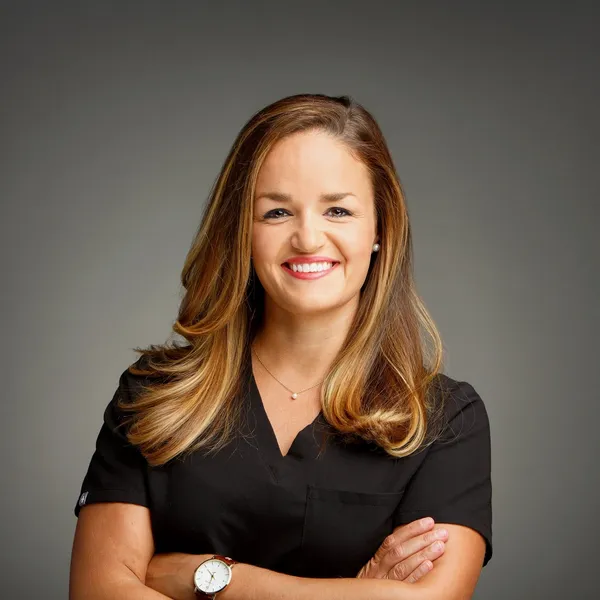
Meet Jacqueline Stephenson, DO, FACS
Jacqueline Stephenson, DO, FACS, is a board-certified general surgeon providing evaluation and surgical treatment for thyroid and parathyroid conditions, including thyroid nodules, thyroid cancer, goiter, and primary hyperparathyroidism. She emphasizes individualized surgical planning and coordinated care with other medical specialists.
Get Your Thyroid or Parathyroid Condition Evaluated
If you have a thyroid nodule, an overactive thyroid, elevated calcium levels, or a diagnosed parathyroid condition, Northwest Surgery can help you understand your options. Schedule a consultation with Dr. Stephenson in Bozeman.
Frequently Asked Questions
No. Most thyroid nodules are benign and do not require surgery. Evaluation may include ultrasound, thyroid function testing, and needle biopsy when indicated.
Treatment may include medication, radioactive iodine, or surgery, depending on the cause of hyperthyroidism and the patient's clinical circumstances. Dr. Stephenson coordinates with the patient's other physicians when surgical treatment is being considered.
Not necessarily. Some thyroid conditions can be treated by removing only one lobe of the thyroid, while others require total thyroidectomy. The appropriate procedure depends on the diagnosis, extent of disease, and individual patient factors.
Not always. Surgical recommendations depend on the type of hyperparathyroidism, calcium levels, kidney and bone health, age, symptoms, and other clinical factors. Surgery may be recommended for some patients even when they have few noticeable symptoms.
Parathyroidectomy involves removing one or more overactive parathyroid glands. Surgical planning is based on laboratory findings, imaging when indicated, and the suspected extent of disease.
Referral requirements depend on your insurance plan and individual circumstances. Our office can help determine whether a referral is required before scheduling an appointment.